Tree care is not just about maintaining aesthetics; it plays a vital role in the health and longevity of trees, particularly in a vibrant community like Beaumaris. This coastal suburb, known for its stunning landscapes and rich flora, faces unique challenges that require innovative approaches to tree trimming and pruning. Understanding these techniques can transform how residents manage their trees, promoting health while enhancing beauty.
The Importance of Tree Care
Effective tree care goes beyond mere trimming. It involves understanding the biology of trees, their growth patterns, and the environmental factors that affect them. In Beaumaris, with its salty winds and coastal conditions, trees can be particularly susceptible to stress from elements such as wind damage, soil salinity, and pests. Regular tree maintenance not only enhances curb appeal but also mitigates risks associated with falling branches or weakened structures.
Understanding Tree Biology
A fundamental aspect of effective tree care is understanding tree biology. Trees are living organisms that respond to their environment in complex ways. Knowledge about how trees grow—through processes like photosynthesis and nutrient uptake—is essential for anyone involved in tree care.
Different species have varying needs; some thrive in sandy soils prevalent along the coast, while others prefer loamy or clay-rich environments. For instance, eucalyptus species might flourish in Beaumaris due to their adaptability to local conditions, while other non-native species may struggle without proper attention.

Optimal Timing for Pruning
Pruning is a critical aspect of tree care that can significantly impact a tree's health. The best time for pruning varies depending on the species and the goals of the pruning—whether it's shaping the tree, removing deadwood, or encouraging healthy growth.
In Beaumaris, late winter to early spring often serves as an ideal window for most deciduous trees. At this time, they are still dormant but begin preparing for new growth. During this period, it’s easier to see the structure of the branches without leaves obstructing your view. Additionally, pruning during dormancy reduces stress on the tree and allows it to heal quickly once active growth begins.
Techniques for Effective Pruning
There are several innovative pruning techniques that can enhance both tree health and aesthetics:
Thinning Cuts: This technique involves selectively removing branches to improve light penetration and air circulation within the canopy. Thinning not only promotes healthier growth but also helps reduce wind resistance.
Crown Reduction: Instead of topping a tree—which can lead to decay and structural problems—crown reduction carefully shortens branches back to lateral shoots that can sustain growth. This technique maintains the natural shape while controlling height.
Deadwooding: Removing dead or dying branches minimizes potential hazards and promotes overall health by redirecting energy into healthier parts of the tree.
Training Young Trees: Establishing strong branch structures early on through systematic pruning can prevent problems later in life. Training fosters a robust framework that can withstand storms better than unpruned trees.
Seasonal Maintenance: Regular inspections throughout different seasons help identify issues like pest infestations or diseases early on.
Tools of the Trade
Investing in high-quality tools is essential for effective pruning and trimming practices. Some key tools include:
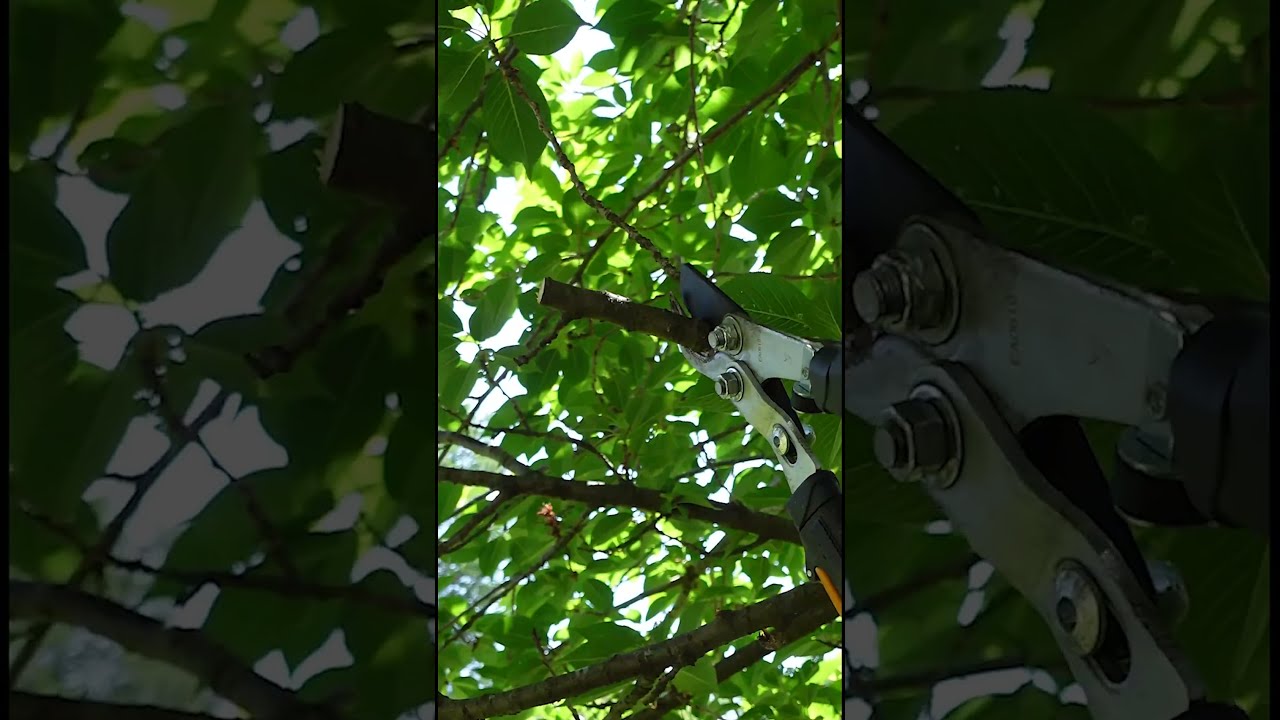
- Bypass Pruners: Ideal for cutting live branches up to ¾ inch thick. Loppers: Useful for reaching higher branches or thicker limbs. Hand Saws: Necessary when dealing with larger cuts where pruners may struggle. Climbing Gear: For those who need access to taller trees safely. Safety Equipment: Helmets and gloves are crucial when working at heights or handling sharp tools.
Using sharp tools ensures clean cuts that promote faster healing while reducing vulnerability to diseases.
Environmental Considerations
The unique ecology of Beaumaris presents both opportunities and challenges for tree care practitioners. The coastal area experiences specific climatic conditions that necessitate adaptive strategies:
- Soil Salinity Management: Coastal soils often contain higher salt levels which can affect plant health. Incorporating organic matter into soil can improve drainage and reduce salinity impact. Wind Resistance Assessment: Trees planted near coastlines must be resilient against strong winds. Proper pruning techniques help shape trees so they withstand gusts better without damaging their structure.
Implementing these considerations allows residents not only to maintain healthy trees but also contribute positively to local biodiversity.
Pest Management Techniques
Pests pose significant threats to urban trees; therefore managing them proactively is critical in Beaumaris' diverse environment.
Integrated Pest Management (IPM) offers an effective approach by combining various strategies:
- Regular monitoring identifies infestations before they become severe. Promoting beneficial insects like ladybugs helps control harmful populations naturally. Use of organic pesticides should be considered carefully; they should target specific pests without harming beneficial organisms or surrounding flora.
Community engagement also plays a role here; workshops educating residents about pest identification could foster collective action towards healthier urban forests.
Community Engagement in Tree Care
Encouraging community involvement enhances awareness about sustainable practices while fostering a sense of ownership over local green spaces. Organizing workshops on techniques such as basic pruning skills or identifying local species empowers residents with knowledge that contributes directly back into their environment.
Local councils often offer resources as well; Beaumaris residents should seek out programs designed to support urban forestry initiatives through grants or volunteer opportunities focused on maintaining public spaces.
Collaborating with Professionals
While many homeowners may feel confident undertaking basic maintenance tasks themselves, certain situations require expertise from professionals trained in arboriculture. Consulting certified arborists ensures https://treeremovalbeaumaris.com.au/contact/ that any issues affecting your trees are diagnosed accurately—be it disease management or structural concerns—and addressed appropriately using best practices tailored specifically for each situation.
Professional services also include detailed assessments regarding safety risks posed by large overhanging branches near homes or power lines—a common concern within suburban settings where proximity makes such evaluations vital.
Cultivating a Culture of Care
Long-term sustainability hinges on cultivating an ethos around responsible stewardship among community members toward preserving natural resources effectively while improving overall quality-of-life standards within neighborhoods such as Beaumaris where green spaces greatly enhance livability prospects overall—both aesthetically appealing yet ecologically sound at heart too!
By embracing innovative techniques coupled alongside traditional methods rooted deeply within local context—the possibilities become endless when caring properly for beloved arboreal companions found scattered throughout this wonderful place we call home!
Through education initiatives aimed at instilling appreciation alongside knowledge-sharing platforms between neighbors sharing insights garnered over years spent nurturing these living giants—it’s possible not only protect existing ecosystems but even expand upon them fostering greater biodiversity across our vibrant landscapes ahead!
Beaumaris Tree Removal Experts
2/41b Bluff Road, Black Rock VIC 3193
ph. (03) 8820 1038